Wet Food Feeders
Best Wet Food Automatic Feeders for Indoor Cats
A practical decision guide for covered meals, smaller portions, cleaning, freshness planning, and realistic daily use.
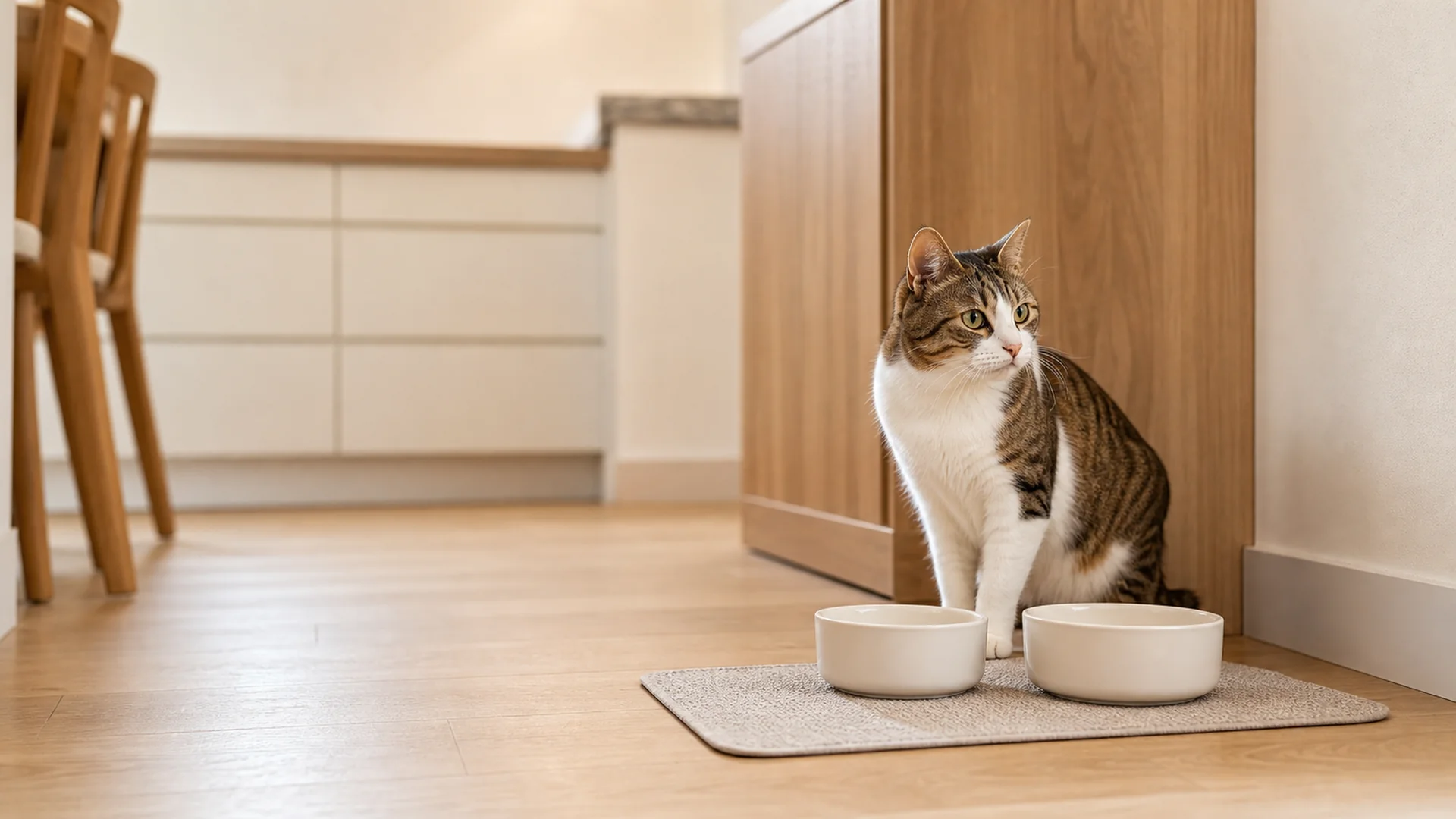
Quick answer
For most indoor cats that eat scheduled wet meals, the PETLIBRO Polar is the strongest overall choice because it is designed around a three-meal wet-food routine. Choose the iPettie Donut Frost when you need six smaller prepared portions. Choose the PetSafe 5 Meal only if you want a simple timed tray and the current instructions support the food type and schedule you plan to use.
- Best overall wet-food pick: PETLIBRO Polar
- Best for more small meals: iPettie Donut Frost 6 Meal
- Best simple timed tray: PetSafe 5 Meal
- Manual feeding is better when medication, appetite changes, or strict monitoring matter.
Our wet-food feeder picks
Best Overall for Wet Food
PETLIBRO Polar Wet Food Automatic Feeder
The PETLIBRO Polar is the strongest overall choice in this guide because it is designed around wet meals rather than adapting a dry-food hopper. Its three-meal format is most useful for a normal workday, an early breakfast, or a late meal—not for leaving a cat unattended for a long trip.
Best for:Indoor cats that eat wet food on a predictable daily schedule.
Keep in mind:It supports a daily routine, but it does not remove the need to monitor leftovers, appetite, cleanliness, and room conditions.
Check the PETLIBRO Polar on AmazonBest for More Small Meals
iPettie Donut Frost 6 Meal Automatic Pet Feeder
The iPettie Donut Frost is the better fit when three meals are not enough. Its six compartments create more scheduling flexibility, but the wider tray and extra food-contact surfaces also mean more washing and more careful meal preparation.
Best for:Cats that benefit from several smaller prepared meals across the day.
Keep in mind:Cooling packs may help with planning, but they do not guarantee a fixed safe holding time in every room or climate.
View the iPettie Donut Frost on AmazonBest Simple Timed Tray
PetSafe 5 Meal Pet Feeder
The PetSafe 5 Meal Feeder is the simplest timed-tray option here. It is useful when you want five scheduled portions and fewer connected features, but wet-food use should follow the current product instructions because our approved records do not confirm a built-in cooling system.
Best for:Pet parents who want a straightforward timer without app setup.
Keep in mind:Treat it as a timed portion tray, not as a refrigerated wet-food storage system.
See the PetSafe 5 Meal Feeder on AmazonShould you buy a wet-food automatic feeder?
A wet-food feeder makes the most sense when your cat already eats wet meals on a predictable schedule and you need help covering one part of the day. It can be useful for an early breakfast, a midday meal while you work, or several smaller portions that would otherwise require you to be home.
It is a poor fit when you expect the feeder to replace daily observation, when your cat's appetite changes often, when medication must be given with food, or when multiple cats compete for the same open compartment. In those situations, manual feeding or protected access may be safer and easier to monitor.
| Product | Best For | Feeder Style | Meal Capacity | Cooling Approach | Amazon |
|---|---|---|---|---|---|
| PETLIBRO Polar Wet Food Automatic Feeder | Indoor cats that eat wet food on a predictable daily schedule. | Covered three-meal system | 3 meals, about 200 ml each / 600 ml total | Refrigerated wet-food design; confirm current listing details | Check the PETLIBRO Polar on Amazon |
| iPettie Donut Frost 6 Meal Automatic Pet Feeder | Cats that benefit from several smaller prepared meals across the day. | Rotating six-compartment tray | 6 compartments, about 1/2 lb each | Includes 2 reusable ice packs | View the iPettie Donut Frost on Amazon |
| PetSafe 5 Meal Pet Feeder | Pet parents who want a straightforward timer without app setup. | Five-compartment rotating tray | 5 meals, 1 cup each / 5 cups or 40 oz total | No approved cooling claim in the PetPalHouse catalog | See the PetSafe 5 Meal Feeder on Amazon |
Confirm the current manual, included parts, cooling method, dimensions, and wet-food instructions before purchasing.
How we selected these wet-food feeders
Evidence level: verified editorial research · August 1, 2026
- Wet-food suitability:We prioritized products designed or positioned for covered, timed, or portioned meals rather than dry-food hopper capacity.
- Meal format:We compared three-meal, five-meal, and six-compartment formats because the best choice depends on how often your cat eats.
- Cleaning burden:Wet-food residue requires more regular washing, so removable food-contact areas and realistic maintenance matter.
- Freshness planning:We avoided guaranteed holding-time claims and treated cooling or ice packs as planning aids, not universal food-safety guarantees.
- Apartment practicality:We considered footprint, odor control, placement, and whether the feeder can stay in a calm, low-traffic feeding area.
Compare the three approved options
Best Overall for Wet Food
PETLIBRO Polar Wet Food Automatic Feeder
The PETLIBRO Polar is the strongest overall choice in this guide because it is designed around wet meals rather than adapting a dry-food hopper. Its three-meal format is most useful for a normal workday, an early breakfast, or a late meal—not for leaving a cat unattended for a long trip.
Best for:Indoor cats that eat wet food on a predictable daily schedule.
Pros
- Designed specifically for scheduled wet-food meals.
- Three-meal layout fits many workday routines.
- Keeps portions covered until their scheduled opening.
Cons
- Three meals may be too limited for frequent small-meal routines.
- Wet-food parts still require prompt cleaning.
Read full review
Why we picked it
We chose it because wet-food feeding depends on covered portions, realistic freshness planning, and easy daily access. A feeder built specifically for wet meals is a better starting point than a dry-food device with improvised containers.
Who should buy it
Choose it if your cat eats wet food, follows a regular meal schedule, and you can clean the food-contact parts after use.
Who should skip it
Skip it if you need more than three prepared meals, want a large reserve, or cannot maintain a consistent cleaning routine.
Limitation
It supports a daily routine, but it does not remove the need to monitor leftovers, appetite, cleanliness, and room conditions.
Verified specs
- Food type verified
- Wet food
- Format verified
- Covered three-meal system
- Capacity verified
- 3 meals, about 200 ml each / 600 ml total
- Cooling approach verified
- Refrigerated wet-food design; confirm current listing details
Alternative
Alternative to consider: Choose the iPettie Donut Frost if six compartments matter more than a three-meal format.
Best for More Small Meals
iPettie Donut Frost 6 Meal Automatic Pet Feeder
The iPettie Donut Frost is the better fit when three meals are not enough. Its six compartments create more scheduling flexibility, but the wider tray and extra food-contact surfaces also mean more washing and more careful meal preparation.
Best for:Cats that benefit from several smaller prepared meals across the day.
Pros
- Six compartments support more frequent meal schedules.
- Reusable ice packs are included in the approved product data.
- Useful for portioned routines that do not need app features.
Cons
- More compartments create more cleaning work.
- The tray can require more floor or counter space.
Read full review
Why we picked it
We selected it because some indoor cats do better with several smaller portions. The six-meal layout gives owners more timing options than a three-meal feeder without requiring a dry-food hopper.
Who should buy it
Choose it if you need several timed portions and are comfortable preparing and cleaning multiple compartments.
Who should skip it
Skip it if you want the smallest footprint, dislike tray cleaning, or need a feeder for extended unattended use.
Limitation
Cooling packs may help with planning, but they do not guarantee a fixed safe holding time in every room or climate.
Verified specs
- Food type verified
- Wet food or prepared portions; confirm current listing
- Format verified
- Rotating six-compartment tray
- Capacity verified
- 6 compartments, about 1/2 lb each
- Cooling approach verified
- Includes 2 reusable ice packs
Alternative
Alternative to consider: Choose PETLIBRO Polar if three covered meals are enough and you prefer a simpler daily setup.
Best Simple Timed Tray
PetSafe 5 Meal Pet Feeder
The PetSafe 5 Meal Feeder is the simplest timed-tray option here. It is useful when you want five scheduled portions and fewer connected features, but wet-food use should follow the current product instructions because our approved records do not confirm a built-in cooling system.
Best for:Pet parents who want a straightforward timer without app setup.
Pros
- Simple timed operation without an app.
- Five compartments support portioned meal planning.
- A practical option for owners who prefer fewer smart features.
Cons
- No approved built-in cooling claim in our current catalog.
- Wet-food suitability must be confirmed on the live listing and manual.
Read full review
Why we picked it
We included it because a simple rotating tray can be easier to operate than a smart feeder. It is the low-tech choice, not the strongest freshness-focused choice.
Who should buy it
Choose it if you prefer a basic timer and can verify that the current listing and manual support the food type and schedule you plan to use.
Who should skip it
Skip it if active cooling is essential, you need remote changes, or you want the strongest wet-food-specific design.
Limitation
Treat it as a timed portion tray, not as a refrigerated wet-food storage system.
Verified specs
- Food type verified
- Portioned meals; verify current wet-food guidance before use
- Format verified
- Five-compartment rotating tray
- Capacity verified
- 5 meals, 1 cup each / 5 cups or 40 oz total
- Cooling approach verified
- No approved cooling claim in the PetPalHouse catalog
Alternative
Alternative to consider: Choose PETLIBRO Polar when wet-food freshness features are the main priority.
How to choose a wet-food automatic feeder
Start with the number of meals
Choose the feeder format around the number of portions your cat actually eats while you are away.
- Three meals suit many workday routines.
- Five or six compartments help with smaller, more frequent portions.
- More compartments also create more surfaces to wash.
Plan freshness conservatively
Room temperature, meal timing, food formulation, and the feeder's design all affect how you should prepare wet meals.
- Follow the current feeder manual and food-label guidance.
- Do not assume ice packs equal refrigeration.
- Discard questionable leftovers rather than relying on appearance alone.
Make cleaning part of the routine
A wet-food feeder only remains convenient when its trays and food-contact areas are cleaned consistently.
- Wash food-contact parts after use.
- Check corners and rotating sections for residue.
- Keep the surrounding floor or mat clean to control odor.
Watch the first meals
A timer does not guarantee that your cat will approach, understand, or eat from the feeder comfortably.
- Introduce the feeder while you are home.
- Confirm that the lid or tray movement does not frighten your cat.
- Check whether leftovers remain after the scheduled meal.
Be careful in multi-cat homes
An open compartment usually cannot control which cat eats the portion once it becomes available.
- Use separate feeding areas when cats compete.
- Supervise new routines before relying on them.
- Consider protected access for prescription or weight-control diets.
Know when manual feeding is better
Automation is not the best choice when appetite, medication, or medical monitoring requires close observation.
- Keep manual check-ins for cats with changing appetite.
- Follow veterinary instructions for prescription diets or medication with food.
- Do not use a feeder to extend absences beyond responsible pet care.
Wet-food feeder FAQ
Are automatic wet-food feeders safe for cats?
They can support a normal daily routine when used according to the current product instructions, food-label guidance, and your cat's needs. They do not guarantee a universal safe holding time, so meal preparation, room conditions, cleaning, and leftover monitoring still matter.
How long can wet food stay in an automatic feeder?
There is no single answer that applies to every feeder, food, room temperature, or cooling method. Follow the feeder manual and food-label instructions, use conservative timing, and avoid claims that ice packs or covered trays keep food safe for a guaranteed number of hours.
Is a refrigerated feeder better than one with ice packs?
A refrigerated design may provide a more active freshness approach, while ice packs are passive and depend more heavily on starting temperature and room conditions. The better choice depends on your schedule, but neither removes the need for cleaning and responsible meal timing.
Can I leave my cat alone all weekend with a wet-food feeder?
A wet-food feeder should not replace responsible pet care, fresh water checks, litter maintenance, health observation, or emergency support. These products are best treated as daily scheduling tools rather than a complete solution for long absences.
Can two cats share one wet-food automatic feeder?
They may share only when both cats eat calmly and you can verify fair access. Once a compartment opens, a faster cat may eat both portions. Separate stations or protected feeding may be safer when diets or eating speeds differ.
Should I choose a wet-food feeder or a dry-food feeder?
Choose based on the food your cat actually eats. Wet-food feeders prioritize covered portions and cleaning, while dry-food hoppers prioritize storage capacity and convenient dispensing. Do not choose a dry feeder for wet meals unless the product explicitly supports that use.
Final recommendations by routine
Choose the feeder around the number of meals, cleaning work, freshness approach, and amount of observation your cat still needs.
- For most wet-food routines:PETLIBRO Polar Wet Food Automatic FeederIts wet-food-specific three-meal format is the strongest balanced choice for a normal workday routine. Check the PETLIBRO Polar on Amazon
- For several smaller meals:iPettie Donut Frost 6 Meal Automatic Pet FeederChoose it when six prepared portions are more useful than a simpler three-meal setup. View the iPettie Donut Frost on Amazon
- For a simple timer without an app:PetSafe 5 Meal Pet FeederIt is the straightforward timed-tray choice, but confirm the current instructions before using wet food. See the PetSafe 5 Meal Feeder on Amazon
- For medication, changing appetite, or strict monitoring:Keep manual feeding as the primary routineDirect observation can matter more than convenience when health or appetite needs close attention.